

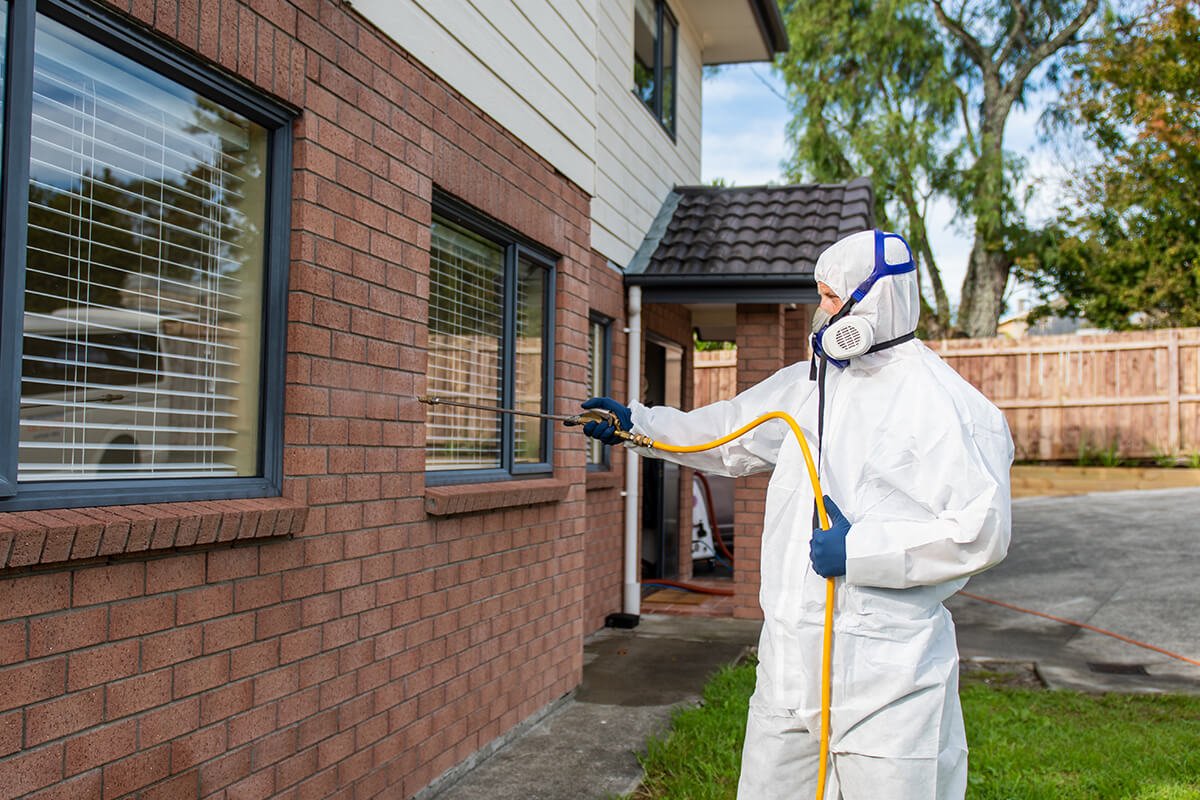
Pest control is essential for maintaining a safe and healthy living environment. Unwanted insects and rodents not only damage property but also carry health risks. A well-planned pest control approach helps prevent infestations, protect your home’s structure, and maintain overall cleanliness.
Understanding Pest Control
Pest control involves identifying, managing, and eliminating pests that invade homes and buildings. It includes both preventive measures and targeted treatments depending on the severity of the issue.
Common household pests include:
- Termites
- Ants
- Cockroaches
- Rodents
- Spiders
- Bed bugs
- Mosquitoes
Each pest behaves differently, making proper identification the first step toward effective treatment.
Why Pest Control Is Important
Protects Health and Hygiene
Many pests carry bacteria, allergens, and diseases. Regular pest control reduces exposure to contaminants and minimizes health risks.
Prevents Structural Damage
Termites, carpenter ants, and rodents can cause significant harm to wood, insulation, and wiring. Early detection helps prevent costly repairs.
Enhances Comfort and Safety
A home free of pests brings peace of mind and prevents disturbances caused by noise, foul odors, or visible pest activity.
Supports Long-Term Prevention
Routine inspections and treatments stop small problems from becoming major infestations, saving time and money.
Types of Pest Control Methods
1. Chemical Treatments
Used for severe infestations, chemical solutions are effective against ants, roaches, termites, and other common pests. Professionals use regulated, safe products designed to target specific pest behaviors.
Advantages:
- Fast and highly effective
- Suitable for large or recurring infestations
2. Biological Control
This environmentally conscious method uses natural predators or microorganisms to reduce pest populations. It’s commonly used for outdoor or garden pest management.
Examples include:
- Beneficial nematodes for soil pests
- Predatory insects to manage garden infestations
3. Mechanical and Physical Control
These methods reduce pest access by physically blocking or capturing them.
Common techniques:
- Rodent traps
- Sealing entry points
- Installing screens on windows and vents
- Using barriers or repellents
4. Integrated Pest Management (IPM)
IPM is a holistic, long-term strategy focused on prevention and minimal chemical use. It includes inspection, monitoring, sanitation improvements, and targeted treatment.
Key principles:
- Identify pests accurately
- Monitor activity levels
- Use the least invasive method first
- Apply pesticides only when necessary
Professional Pest Control vs. DIY
When DIY Works
Home remedies and store-bought treatments are often enough for minor pest issues such as the occasional ant trail or fruit fly problem.
When to Hire Professionals
Severe or recurring problems require expert evaluation. Professionals bring specialized tools, advanced treatment plans, and knowledge of local pest behaviors.
Situations requiring professional help:
- Termite infestations
- Widespread rodent activity
- Bed bug outbreaks
- Persistent cockroach issues
- Unknown pest identification
Preventive Measures for a Pest-Free Home
Improve Sanitation
- Store food in airtight containers
- Clean spills immediately
- Take out trash regularly
- Keep pet areas clean
Seal Entry Points
- Close gaps around windows and doors
- Seal cracks in foundations
- Install screens on vents and openings
Eliminate Moisture Sources
- Fix leaky pipes
- Improve ventilation
- Reduce standing water around the home
Maintain the Exterior
- Trim vegetation near the house
- Keep firewood away from exterior walls
- Clear gutters to prevent nesting areas
FAQs
1. How often should pest control be done?
Most homes benefit from quarterly treatments, but high-risk areas or persistent issues may require monthly visits.
2. Are pest control chemicals safe for pets and children?
Licensed professionals use regulated products designed to be safe when applied correctly. It’s best to follow all safety instructions during and after treatment.
3. What signs indicate a termite problem?
Mud tubes, hollow-sounding wood, discarded wings, and bubbling paint often indicate termite activity.
4. Can pests return after treatment?
Yes, especially if underlying issues like moisture or entry points remain unresolved. Preventive measures help maintain long-term results.
5. What should I do before a pest control visit?
Clear clutter, move furniture away from walls, clean targeted areas, and store food properly to ensure effective treatment.
6. Are natural pest control methods effective?
They work well for prevention or minor issues but may not eliminate established infestations, especially termites or bed bugs.
7. How do I choose a reliable pest control company?
Look for companies with licensing, insurance, positive customer reviews, transparent pricing, and proven experience handling your specific pest issue.
