

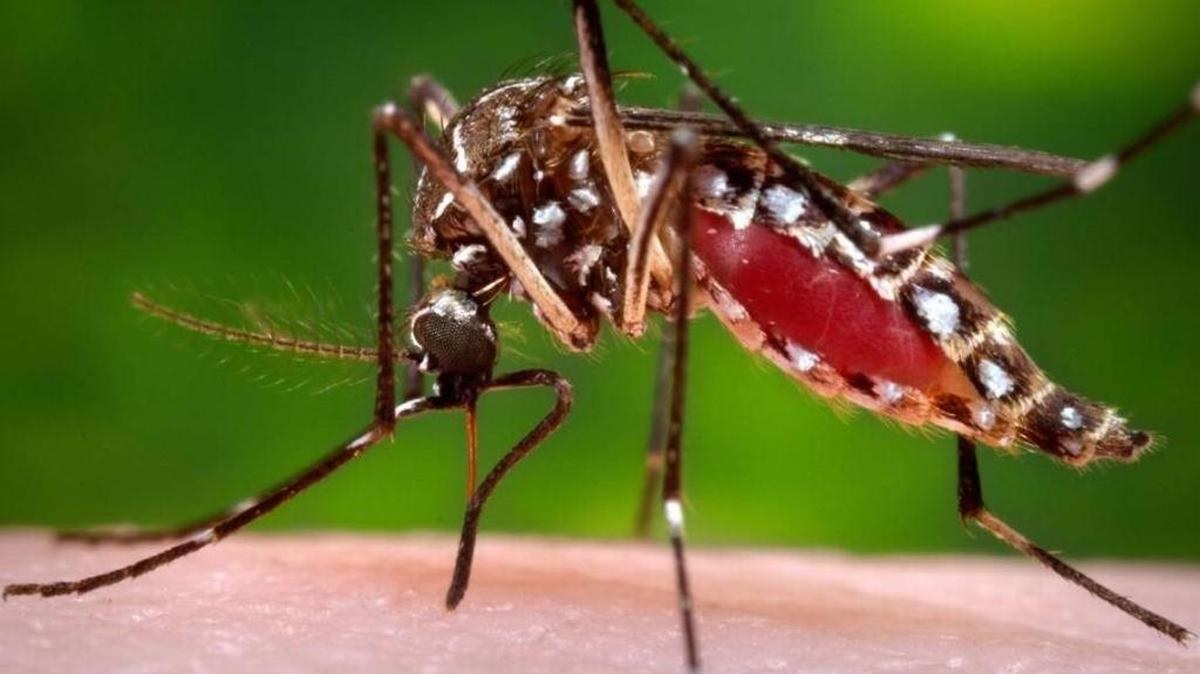
Many people have decided to live in Sarasota because of its warm Gulf Coast climate and lush tropical landscape. But these conditions can also make the area a paradise for mosquitoes. There are over 80 mosquito species documented across Florida, leaving residents facing a year-round battle against these harmful pests. Mosquitoes rank among the deadliest creatures on the planet. But they can be effectively controlled with a strategic, multi-layered approach. If you live in Sarasota, check out prodigypest.com to know how to keep mosquitoes at bay and eliminate them for good.
Why Sarasota Is a Hotspot for Mosquitoes
Geography and climate make Sarasota County an attractive location for mosquitoes.
- Florida leads the nation in mosquito species diversity. The Florida Medical Entomology Laboratory has identified more than 80 species statewide. Sarasota’s coastal wetlands, mangrove estuaries, and freshwater retention ponds provide habitat for dozens of them.
- Warm temperatures allow year-round reproduction. Mosquitoes become active once temperatures exceed 50°F. Sarasota’s average winter lows rarely approach this threshold.
- Rainfall patterns fuel population explosions. Sarasota receives an average of 55 inches of rain per year, with the heaviest totals concentrated between June and September. Each rainfall event creates new pools of standing water where female mosquitoes deposit eggs.
- Coastal tidal zones produce salt marsh mosquitoes. Species like Aedes taeniorhynchus breed in mangrove areas along Sarasota Bay and can travel up to 40 miles from their breeding sites, according to the Sarasota County Mosquito Management Services.
The Health Risks that Mosquitoes Can Pose
The World Health Organization identifies mosquitoes as the world’s deadliest animal, responsible for more than 700,000 human deaths globally each year:
- West Nile virus has been detected in Florida every year since 2001. The Florida Department of Health reports cases across multiple counties annually. Sarasota’s climate supports the Culex species that transmit the virus.
- Eastern Equine Encephalitis (EEE) poses a severe risk. Though cases are rarer, EEE carries a fatality rate of approximately 30%, according to the CDC. Those who survive the disease often experience permanent neurological damage.
- Dengue and Zika transmission remain possible. The Aedes aegypti mosquito, a known vector for both viruses, thrives in Sarasota’s urban and suburban environments. Local transmission events for dengue have occurred in Florida as recently as 2022.
Why DIY Methods Fail to Deliver Lasting Results
Homeowners often invest in consumer-grade mosquito products only to find their yards just as infested within days:
- Citronella products offer limited, short-range protection. Research published in the Journal of Insect Science found that citronella candles reduced mosquito bites by only about 42% at close range, with no meaningful effect beyond a few feet.
- Bug zappers attract and destroy the wrong insects. A University of Delaware study showed that less than 1% of insects destroyed by electric zappers were mosquitoes. Beneficial species like moths and beetles made up the majority.
- Standing water elimination helps, but cannot solve the problem alone. Removing birdbaths, clogged gutters, and plant saucers reduces breeding sites on your property. But mosquitoes that breed in neighboring lots, retention ponds, or coastal marshes will still arrive.
How Sarasota Pest Control Professionals Can Help
Licensed mosquito control specialists at Prodigy Pest Solutions bring tools, knowledge, and experience to the table.
- Larvicide application targets the problem at its source. Professionals treat standing water with EPA-approved products like Bacillus thuringiensis israelensis (Bti). This biological larvicide eliminates mosquito larvae without harming fish, birds, or other wildlife.
- Barrier spray treatments create a protective perimeter. Technicians apply residual products to vegetation, fence lines, and shaded resting areas where adult mosquitoes harbor during daylight hours. These treatments typically remain effective for 21 to 30 days.
- Mist systems provide automated, scheduled protection. Professional-grade mist installations deliver timed applications of pyrethrin-based products around a property’s perimeter.
- Species identification guides treatment decisions. Different mosquito species respond to different strategies. A professional who can distinguish between Aedes, Culex, and Anopheles populations will select the most effective combination of products and methods.
