

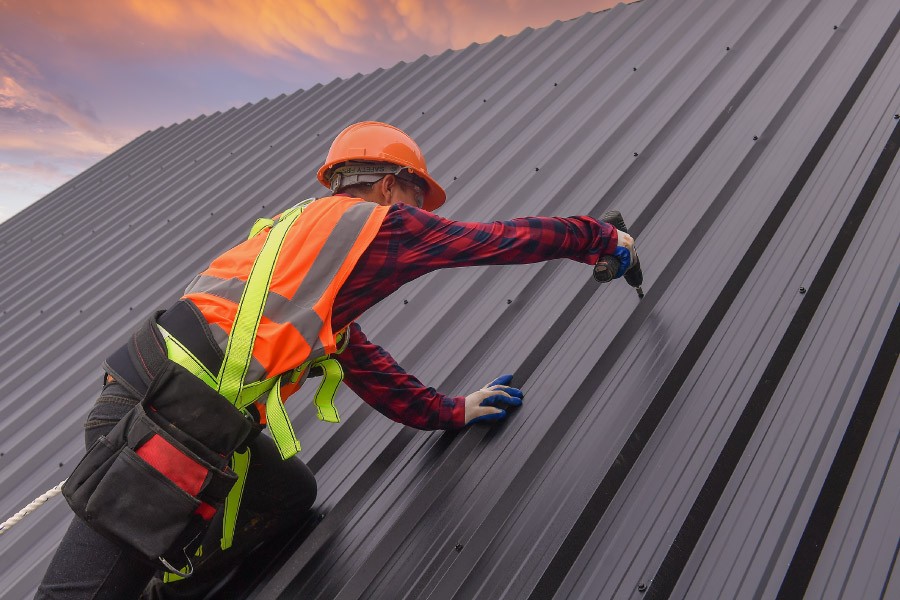
Metal roofing has grown from a specialized choice for commercial structures into one of the most popular residential roofing options across North America. Homeowners are increasingly drawn to metal systems for their exceptional durability, energy efficiency, and modern design versatility. While traditional asphalt shingles need replacement every fifteen to twenty years, a properly installed metal roof can easily last fifty years or more with minimal maintenance.
Investing in a metal roof requires understanding the various materials, panel profiles, coating options, and installation techniques available today. This guide breaks down everything you need to know about purchasing and installing a metal roof so you can make informed decisions for your home.
Understanding Metal Roofing Materials
The term metal roofing encompasses several distinct alloys and metals, each offering unique performance benefits, aesthetic qualities, and price points.
Galvalume Steel
Galvalume steel is carbon steel sheet coated with a zinc and aluminum alloy. The aluminum component provides superior corrosion resistance, while zinc protects cut edges from rusting. Galvalume is the most popular choice for residential installations due to its excellent balance of high strength, long lifespan, and moderate cost.
Galvanized Steel
Galvanized steel features a pure zinc coating over carbon steel. It provides solid weather defense and high structural strength at a competitive cost. However, in regions with heavy salt spray or intense industrial pollution, Galvalume typically outlasts traditional galvanized steel.
Aluminum
Aluminum is lightweight, highly durable, and naturally rustproof. Because it does not contain iron, aluminum will never rust, making it the ideal material for coastal environments where salt air degrades steel products. Aluminum panels are usually coated with protective paint systems and can be slightly more expensive than steel options.
Copper and Zinc
Copper and zinc are premium architectural metals known for extreme longevity, often lasting more than a century. Both materials develop a protective natural patina over time as they react with oxygen and moisture. While stunning and virtually maintenance free, copper and zinc carry significantly higher upfront material costs.
Selecting the Right Panel Profile
The profile refers to the shape and physical design of the metal panels. Panel profiles influence both the visual appearance of your home and the structural performance of the roof system.
Standing Seam Panels
Standing seam is the gold standard of residential metal roofing. In a standing seam system, vertical metal panels join together with concealed fasteners raised above the water level of the roof deck. Because the mounting screws sit hidden underneath interlocking seams, standing seam roofs eliminate exposed screw holes, drastically reducing potential leak points over decades of thermal expansion and contraction.
Exposed Fastener Panels
Exposed fastener panels, often called corrugated or ribbed panels, use visible screws with rubber washers driven directly through the top face of the metal into the roof deck. These systems are lower in cost and faster to install than standing seam. However, the exposed rubber washers degrade under direct sunlight over time and require inspection and tightening every ten to fifteen years.
Metal Shingles, Tiles, and Shakes
For homeowners who prefer the look of traditional slate, wood shake, or clay tile, stamped metal shingles offer identical texture profiles with the durability of steel or aluminum. Stamped metal shingles interlock on all four sides to form a weather-tight grid while blending naturally into traditional residential neighborhoods.
Key Performance Specifications
Evaluating technical details before buying ensures your investment performs well against local weather extremes.
-
Metal Gauge Thickness: Metal thickness is measured in gauges, where a lower number indicates a thicker panel. For steel roofing, 24-gauge and 26-gauge panels are recommended for residential homes. Avoid thin 29-gauge panels for main home structures, as they are prone to oil canning and denting.
-
Paint Finishes and Coatings: Look for premium PVDF paint systems, commonly marketed under brand names like Kynar 500 or Hylar 5000. PVDF coatings resist chalking, fading, and peeling far better than standard silicone modified polyester finishes.
-
Underlayment Quality: High-temperature synthetic underlayment or self-adhered ice and water shield should always be installed beneath metal panels. Standard felt paper can stick to the underside of expanding metal panels and degrade rapidly.
Overview of the Metal Roofing Installation Process
Installing a metal roof requires specialized skill, precise measuring, and careful attention to thermal movement. Below is an overview of the core installation steps.
Step 1: Roof Deck Preparation
The existing roof deck must be inspected for rotted plywood, protruding nails, and uneven spots. While some local building codes allow metal panels to be installed over a single layer of existing asphalt shingles using wood furring strips, removing old shingles down to the bare deck allows contractors to inspect the underlying structure and lay a smooth underlayment foundation.
Step 2: Underlayment and Drip Edge Installation
High-temperature synthetic underlayment is rolled out across the entire roof deck with generous overlap between courses. Along eaves and valleys, heavy-duty ice and water shield is applied to prevent water intrusion from ice dams. Metal drip edge flashing is fastened along eaves to channel water cleanly into gutters.
Step 3: Starter Trim and Panel Layout
Installers establish a square baseline along the roof edge. Starter trims and gable edge flashings are positioned to lock the outer edges of the panels in place. Panels are measured and cut to length using snips or specialized shears rather than high-speed abrasive saws, which can burn paint edges and cause premature rust.
Step 4: Securing Panels and Managing Thermal Expansion
Standing seam panels are secured using hidden mounting clips that allow the long metal sheets to expand and contract freely as ambient temperatures change throughout the day. Panels are interlocked sequentially across the roof plane, taking care to maintain strict alignment.
Step 5: Flashing Detail and Ridge Caps
Complex areas like chimneys, pipe boots, sidewalls, and valleys require custom-bent metal flashings to channel water away from vulnerable junctions. Finally, ventilated ridge caps are installed along roof peaks to allow heat and moisture to escape the attic space while preventing wind driven rain from entering.
Evaluating Costs and Long Term Value
The initial cost of a metal roof is higher than a standard asphalt shingle installation. On average, a quality standing seam metal roof costs two to three times more upfront than architectural asphalt shingles.
However, evaluating cost over a thirty-year to fifty-year lifespan reveals a very different financial picture. Standard asphalt roofs typically require full replacement every fifteen to twenty years, along with periodic storm repairs. A metal roof avoids these repeat replacement costs entirely. Furthermore, metal roofs reflect solar radiant heat, which can reduce cooling energy costs by up to twenty-five percent during hot summer months. Many home insurance providers also offer premium discounts for homes with Class 4 impact-rated metal roofs.
Frequently Asked Questions
Are metal roofs noisy during heavy rain or hail storms?
When installed over solid plywood decking with thick synthetic underlayment and attic insulation, a metal roof is no louder than a conventional asphalt shingle roof. The solid roof deck dampens sound vibration before it reaches the living spaces below.
Does a metal roof attract lightning strikes?
No, metal roofs do not increase the likelihood of a lightning strike. Lightning targets the highest point in a surrounding area regardless of material. If a house with a metal roof is struck by lightning, the non-combustible metal safely disperses the energy across the structure, reducing the risk of a structural fire.
Can you walk on a metal roof without damaging it?
Yes, you can walk on a metal roof, but you must wear soft rubber-soled shoes and step in specific locations depending on the panel type. On standing seam roofs, walk between the raised seams over flat areas. On metal shingles, step on the supported lower flats of the panels rather than raised decorative ridges.
Do metal roofs require snow guards in cold climates?
In regions with heavy snowfall, installing snow guards is highly recommended. Metal surfaces shed accumulated snow rapidly once temperatures rise. Snow guards break up large snow sheets into smaller pieces, preventing heavy snow avalanches from sliding off all at once and damaging gutters, landscaping, or entryways.
How does hail affect metal roofing performance?
High-grade metal roofing panels carry a Class 4 impact rating, which is the highest rating available. While extreme hail can leave cosmetic indentations on softer metals like aluminum or thin gauge steel, structural integrity remains intact and panels will not crack or leak like traditional asphalt shingles or slate tiles.
Is it possible to paint a metal roof if I want to change its color years later?
Yes, metal roofs can be painted. If the original factory finish eventually fades after decades of exposure, the surface can be cleaned, primed, and recoated using specialized 100 percent acrylic elastomeric or fluoropolymer exterior roof paints designed specifically for metal surfaces.
What is oil canning in metal panels and how is it prevented?
Oil canning is a visible waviness in the flat areas of metal panels. It is an inherent characteristic of light-gauge sheet metal caused by stress during manufacturing or installation. To prevent oil canning, choose 24-gauge steel, select panels with built-in stiffening ribs or striations, and ensure installers do not overtighten mounting clips.
