

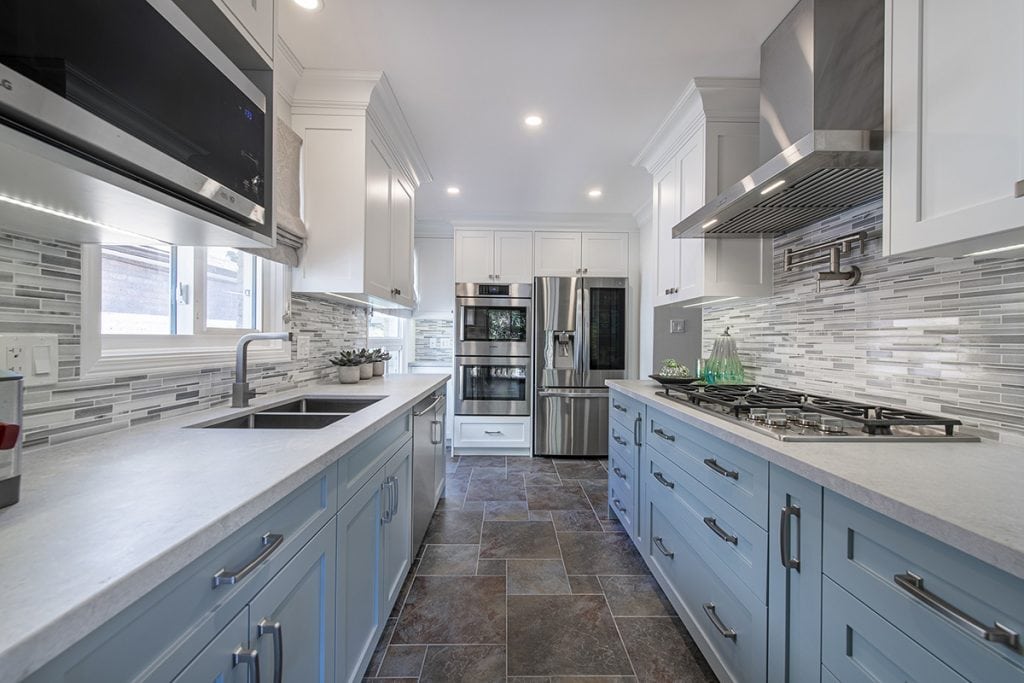
The kitchen serves as the central hub of modern home life, acting as a cooking station, informal dining area, and social gathering spot. Because this room experiences constant activity, kitchen flooring endures significantly more stress than flooring in bedrooms or formal living spaces. Heavy foot traffic, dropped metal pans, moisture from boiling pots, and frequent food spills require a floor surface that offers exceptional resilience without sacrificing aesthetic appeal.
Selecting the right material involves evaluating how your household uses the kitchen daily. Families with active young children or large pets need high scratch resistance and seamless waterproofing, whereas avid home cooks might prioritize comfort underfoot during long preparation sessions. Understanding the balance between material performance, long-term maintenance, and installation requirements will help you choose a durable floor that maintains its beauty for decades.
Key Factors to Evaluate Before Choosing Kitchen Flooring
Before reviewing specific materials, consider the environmental conditions unique to kitchen spaces. Evaluating these core factors prevents costly installation mistakes and ensures your choice matches your lifestyle.
-
Water and Moisture Resistance: Spills from sinks, dishwashers, and ice makers are inevitable. Water-resistant or 100 percent waterproof flooring prevents subfloor rot, surface buckling, and mold growth.
-
Surface Hardness and Impact Resistance: Dropped cans, heavy cast-iron skillets, and moving chairs subject kitchen floors to impact damage. The ideal material resists denting, cracking, and surface chipping.
-
Scratch Resistance: Grit tracked in from outdoors, chair legs, and pet claws cause subtle micro-abrasions over time. Durable wear layers and high hardness ratings keep surfaces looking new.
-
Ergonomics and Underfoot Comfort: Hard surfaces can cause foot and back fatigue during extended cooking sessions. Softer or resilient materials offer slight give, making long periods of standing far more comfortable.
-
Maintenance Effort: Kitchen floors require frequent sweeping, vacuuming, and damp mopping. Materials that require complex sealing schedules or specialized cleaning products increase long-term household labor.
Top Durable Kitchen Flooring Materials
1. Luxury Vinyl Plank and Tile (LVP and LVT)
Luxury vinyl has revolutionized residential kitchen design over the past decade. Unlike legacy sheet vinyl, modern luxury vinyl plank (LVP) and luxury vinyl tile (LVT) utilize high-definition printing and realistic embossing to replicate hardwood, natural slate, or travertine with convincing detail.
The primary secret to luxury vinyl’s durability lies in its rigid core construction. Stone Polymer Core (SPC) vinyl incorporates limestone powder into its dense core, creating an extraordinarily dimensionally stable board that will not swell, warp, or cupping when exposed to standing water. A thick, clear wear layer on top shields the visual print layer against scratches, stains, and ultraviolet fading.
-
Pros: 100 percent waterproof, highly scratch-resistant, affordable, and softer underfoot than ceramic tile.
-
Cons: Cannot be refinished when worn, and low-grade options can feel synthetic underfoot.
2. Porcelain and Ceramic Tile
Porcelain and ceramic tile represent classic, time-tested kitchen flooring options known for exceptional lifespan and heat resistance. Porcelain tile is manufactured from refined clay fired at extremely high temperatures, resulting in a dense, non-porous material with an absorption rate below half a percent.
Tile strength is categorized using the Porcelain Enamel Institute (PEI) rating scale, which runs from 1 to 5. For busy residential kitchens, selecting a tile with a PEI rating of 4 or 5 ensures the surface can handle heavy foot traffic and resist abrasion from grit.
-
Pros: Virtually immune to water damage, highly fire-resistant, easy to sanitize, and available in endless colors and tile formats.
-
Cons: Very hard and cold underfoot, dropped glass items will shatter instantly, and grout lines require periodic sealing to prevent staining.
3. Engineered Hardwood
Many homeowners desire the rich warmth and organic beauty of natural hardwood in their kitchen. While solid hardwood reacts poorly to humidity swings and standing water, engineered hardwood offers a far more moisture-stable alternative.
Engineered hardwood consists of a real hardwood veneer layer bonded over multiple cross-laminated layers of high-density fiberboard or plywood. This cross-grain construction prevents the planks from expanding, contracting, or cupping when kitchen humidity levels fluctuate. Selecting a factory-finished engineered wood plank with an aluminum oxide topcoat provides superior scratch defense against daily wear.
-
Pros: Authentic natural wood appearance, increases home resale value, and can often be refinished once or twice depending on veneer thickness.
-
Cons: More susceptible to water damage than vinyl or tile, requires immediate cleanup of liquid spills, and carries a higher material cost.
4. Natural Stone Flooring
Natural stone options like slate, granite, limestone, and marble deliver an unmistakable sense of luxury and unique character. Slate is particularly well-suited for rustic or contemporary kitchens due to its natural slip-resistant texture and high density.
Because natural stone is porous by nature, performance depends heavily on proper sealing upon installation and regular resealing throughout its lifespan. Penetrating stone sealers prevent oil, wine, and acidic food spills from penetrating the surface matrix and causing permanent discoloration.
-
Pros: Incredibly long lifespan, unique natural variation, exceptional heat tolerance, and timeless visual prestige.
-
Cons: High initial material and labor installation costs, requires routine sealing, and soft stones like marble can etch when exposed to citrus or vinegar spills.
5. Polished Concrete
Polished concrete has moved from commercial spaces into contemporary residential kitchens. Existing concrete slab foundations can be ground down, treated with chemical hardeners, and polished to a smooth, high-gloss or satin sheen.
Polished concrete is virtually indestructible. It easily tolerates heavy appliances, pet claws, water splashes, and high foot traffic without scratching or wearing down. Homeowners can incorporate stain pigments, aggregates, or decorative scoring to create custom aesthetic finishes.
-
Pros: Extreme longevity, zero plank seams, fireproof, and highly budget-friendly if an existing slab foundation is already present.
-
Cons: Extremely hard underfoot, requires professional installation machinery, and unsealed concrete can absorb liquid stains.
6. High-Performance Sheet Vinyl
Modern high-performance sheet vinyl should not be confused with thin vinyl floors of decades past. Contemporary sheet vinyl features fiberglass reinforcement layers and advanced cushion backing that feels soft while resisting tears and gouges.
Because sheet vinyl comes in continuous rolls that measure 12 feet wide, most standard residential kitchens can be installed without a single seam across the floor area. This seamless surface creates an impenetrable barrier that prevents water from seeping down into the subfloor.
-
Pros: Completely seamless installation, excellent water defense, soft and warm underfoot, and very cost-effective.
-
Cons: Difficult to repair isolated punctures, and improper installation can result in surface bubbling.
Comparative Overview of Kitchen Flooring Options
-
Luxury Vinyl Plank (LVP): High durability, 100 percent waterproof, moderate underfoot comfort, low maintenance, 15 to 25 year lifespan.
-
Porcelain Tile: Maximum durability, 100 percent waterproof, low underfoot comfort, moderate maintenance due to grout, 50 plus year lifespan.
-
Engineered Hardwood: Moderate durability, low to moderate water resistance, moderate underfoot comfort, moderate maintenance, 20 to 40 year lifespan.
-
Natural Stone: High durability, moderate water resistance when sealed, low underfoot comfort, high maintenance, 50 plus year lifespan.
-
Polished Concrete: Maximum durability, high water resistance when sealed, low underfoot comfort, low maintenance, 50 plus year lifespan.
-
Sheet Vinyl: Moderate durability, 100 percent waterproof, high underfoot comfort, low maintenance, 10 to 20 year lifespan.
Practical Maintenance Strategies to Maximize Floor Lifespan
Regardless of the material you choose, adopting basic preventive maintenance habits will extend the life and beauty of your kitchen floor significantly.
-
Use Quality Entrance Mats: Place heavy-duty sweep mats at external entry points to capture sand, small stones, and street grit before shoes touch your kitchen floor.
-
Attach Felt Protectors: Apply heavy felt pads to the bottom of all kitchen chair legs, barstools, and table bases. Replace these pads every six months as they collect dust and compress.
-
Maintain Climate Control: Keep indoor relative humidity levels between 35 percent and 55 percent to prevent dimensional movement in wood and laminate products.
-
Select pH-Neutral Cleaners: Avoid harsh bleach, ammonia, or abrasive scouring powders. Use pH-neutral cleaning solutions formulated specifically for your flooring surface to avoid dulling clear protective topcoats.
Frequently Asked Questions
How does kitchen flooring choice impact home resale value?
Buyers pay close attention to kitchen finishes during home tours. Real engineered hardwood and natural stone traditionally yield the highest return on investment because they convey luxury. However, high-quality luxury vinyl plank has gained massive consumer acceptance and rarely hurts appraisal value if installed seamlessly.
Can I install radiant floor heating under luxury vinyl plank?
Yes, many modern luxury vinyl plank products are compatible with low-temperature radiant floor heating systems. However, check the manufacturer temperature limits first, as vinyl surfaces should generally not exceed 81 degrees Fahrenheit to prevent plank warping or adhesive failure.
What is the best kitchen flooring material for households with large dogs?
Porcelain tile and high-grade Stone Polymer Core (SPC) luxury vinyl plank are the top options for large dogs. Both materials offer extreme scratch resistance against heavy dog nails and total immunity to water damage from sloppy drinking bowls or house-training accidents.
How do I fix a scratched plank in a floating kitchen floor without replacing the whole surface?
Minor surface scratches on vinyl or wood can often be disguised using specialized color-matched wax fill sticks or repair markers. For deep gouges, floating click-lock systems allow experienced installers to unclick planks from the nearest wall boundary to replace a single damaged plank, or use a plunger tool and seam adhesive for cut-and-replace repairs.
Is slip resistance officially rated for kitchen flooring materials?
Yes, slip resistance is measured using the Dynamic Coefficient of Friction (DCOF) rating. For residential kitchen floors where water spills occur frequently, select tile or hard surfaces with a DCOF rating of 0.42 or higher to ensure adequate traction when wet.
Can kitchen cabinets be installed directly on top of a floating vinyl floor?
No, heavy kitchen cabinets, islands, and stone countertops should never be installed on top of floating click-lock vinyl or laminate floors. Heavy furniture locks the floor in place, preventing the natural thermal expansion and contraction required by floating systems, which leads to plank buckling and joint separation over time. Install cabinets first, and lay the floating floor around them.
How does subfloor condition affect the longevity of new kitchen flooring?
A subfloor must be clean, structurally sound, dry, and flat within strict manufacturer tolerances (typically within 3/16 inch over a 10-foot radius). Any dips, ridges, or loose subfloor panels will cause floating plank seams to disengage over time or create telegraphing bumps in resilient sheet materials.
