

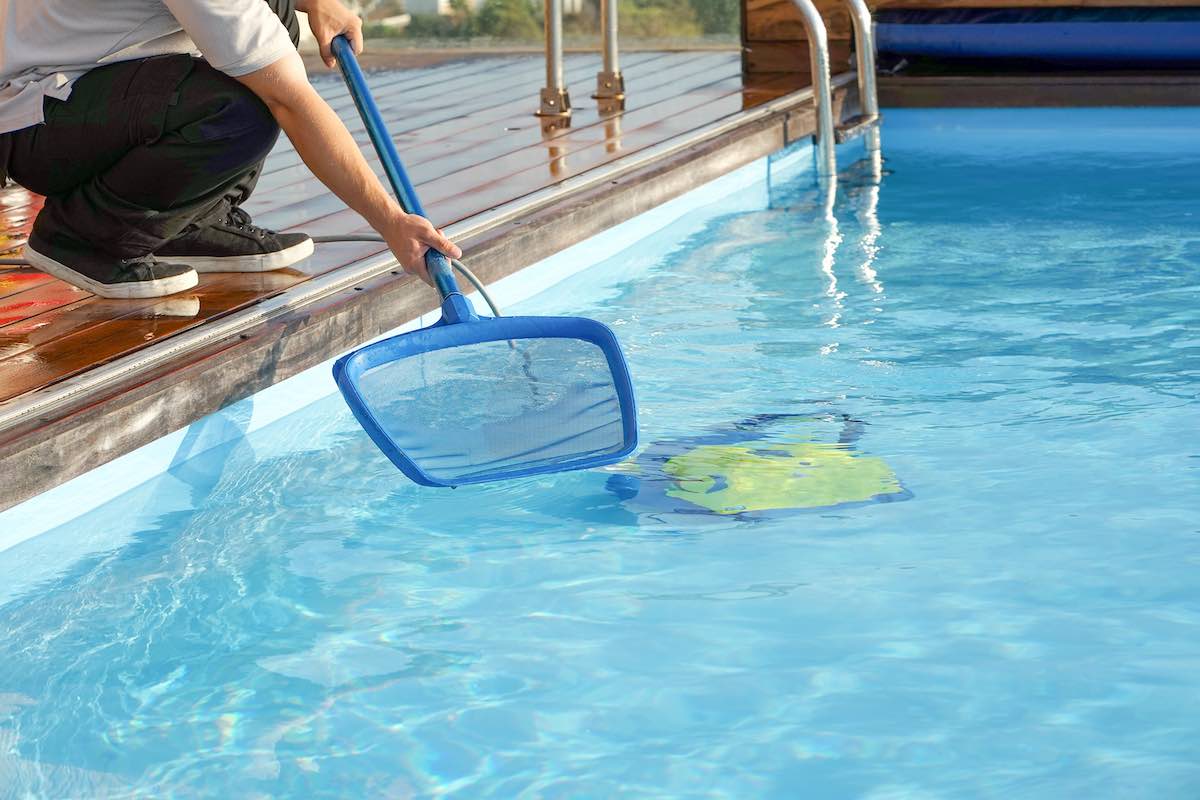
A concrete pool is a premium feature that adds long-term value, functionality, and visual appeal to any property. Known for their durability and design flexibility, concrete pools are a popular choice for Australian homeowners who want a customised backyard oasis. However, unlike other pool types, concrete pools require consistent maintenance to keep them looking their best and performing properly over time.
With the right care routine, you can prevent surface deterioration, maintain water quality, and extend the lifespan of your pool for many years.
Why Concrete Pool Maintenance Matters
Concrete pools in Melbourne are strong, but they are also porous, which means they naturally absorb water and chemicals over time. Without proper maintenance, this can lead to staining, surface roughness, and structural wear.
Regular maintenance helps:
- Preserve the pool surface finish
- Prevent algae and staining
- Maintain safe and balanced water chemistry
- Reduce long-term repair costs
- Extend the overall lifespan of the pool
Consistent care is far more cost-effective than major resurfacing or restoration work later on.
1. Keep Water Chemistry Balanced
Water balance is one of the most important aspects of pool maintenance. Poor chemistry can damage the concrete surface and create conditions for algae growth.
Key levels to monitor include:
- pH levels (ideally between 7.2–7.6)
- Chlorine levels for sanitation
- Alkalinity to stabilise pH
- Calcium hardness to protect the pool surface
Unbalanced water can lead to:
- Surface etching or erosion
- Cloudy water
- Algae buildup
- Irritation for swimmers
Regular testing, ideally weekly during peak swimming season, is essential.
2. Brush the Pool Regularly
Because concrete is a textured surface, debris and algae can easily cling to it. Brushing helps prevent buildup and keeps the surface smooth and clean.
Best practices include:
- Brushing walls and floor at least once a week
- Using a brush suitable for concrete surfaces
- Paying attention to corners, steps, and shaded areas
- Increasing frequency during warm weather
Regular brushing reduces the risk of permanent staining and algae growth.
3. Maintain Proper Filtration
Your pool’s filtration system plays a major role in keeping water clean and clear. A poorly maintained filter can lead to cloudy water and increased chemical usage.
Maintenance tips:
- Clean or backwash filters regularly
- Check pump operation and pressure levels
- Remove debris from skimmer baskets
- Ensure adequate circulation throughout the pool
A well-functioning filtration system reduces strain on chemical treatments and keeps water healthier overall.
4. Prevent and Treat Algae Early
Algae is one of the most common issues in concrete pools due to the porous surface. Once it takes hold, it can be difficult to remove.
To prevent algae:
- Maintain consistent chlorine levels
- Brush surfaces regularly
- Run the filtration system daily
- Avoid letting leaves or organic matter sit in the pool
If algae appears, treat it immediately with appropriate pool chemicals and thorough brushing. Early action prevents long-term staining.
5. Monitor Pool Surface Condition
Over time, concrete pool surfaces can show signs of wear such as discolouration, rough patches, or minor cracks. Regular visual inspections help catch issues early.
Look for:
- Fading or uneven colour
- Rough or gritty surfaces
- Hairline cracks
- Staining from leaves or metals
Addressing small issues early can prevent more serious structural damage or the need for full resurfacing.
6. Manage Calcium Build-Up
Calcium scaling is a common issue in concrete pools, especially in areas with hard water. It appears as white, chalky deposits on the pool surface or tiles.
To manage it:
- Regularly test calcium hardness levels
- Brush affected areas early
- Use scale prevention products if needed
- Maintain balanced water chemistry
If scaling becomes severe, professional cleaning or acid washing may be required.
7. Keep the Pool Clean of Debris
Leaves, dirt, and organic matter can quickly affect water quality and stain concrete surfaces if left untreated.
Good habits include:
- Skimming the surface daily or as needed
- Using a pool cover when not in use
- Cleaning surrounding landscaping to reduce debris
- Emptying skimmer baskets regularly
Preventing debris buildup reduces chemical demand and protects the pool surface.
8. Maintain Pool Surroundings
The area around your pool also impacts its condition. Poor landscaping or drainage can introduce dirt, leaves, and excess water into the pool.
Best practices:
- Ensure proper drainage away from the pool
- Trim nearby trees and plants
- Use non-slip, pool-friendly paving materials
- Avoid soil or mulch entering the water
A clean surrounding area reduces ongoing maintenance needs.
9. Schedule Professional Inspections
While regular homeowner maintenance is essential, professional inspections help identify deeper issues that may not be visible.
A pool professional can:
- Check structural integrity
- Assess filtration and pump systems
- Test water balance accurately
- Recommend resurfacing if needed
- Identify early signs of damage
Annual inspections are a smart investment for long-term pool health.
10. Consider Periodic Resurfacing
Even with excellent maintenance, concrete pools will eventually require resurfacing. This process restores the finish and extends the pool’s usable life.
Signs resurfacing may be needed:
- Persistent staining that won’t clean off
- Rough or abrasive surfaces
- Visible cracks or wear
- Water chemistry becoming difficult to maintain
Resurfacing can refresh the appearance and improve functionality significantly.
Common Maintenance Mistakes to Avoid
Many pool issues arise from inconsistent or incorrect maintenance habits.
Avoid:
- Ignoring water chemistry testing
- Letting debris sit in the pool for long periods
- Overusing chemicals without proper balance
- Neglecting brushing routines
- Delaying repairs or inspections
Small, consistent maintenance habits are far more effective than occasional deep cleaning.
Final Thoughts
Concrete pools are a long-term investment that can provide decades of enjoyment when properly maintained. However, their durability depends heavily on consistent care, particularly when it comes to water chemistry, surface cleaning, and early issue detection.
By following a regular maintenance routine and addressing problems early, you can keep your pool looking clean, smooth, and inviting year after year.
With the right approach, your concrete pool will remain a standout feature of your property—delivering both lifestyle value and lasting performance for many seasons to come.
