

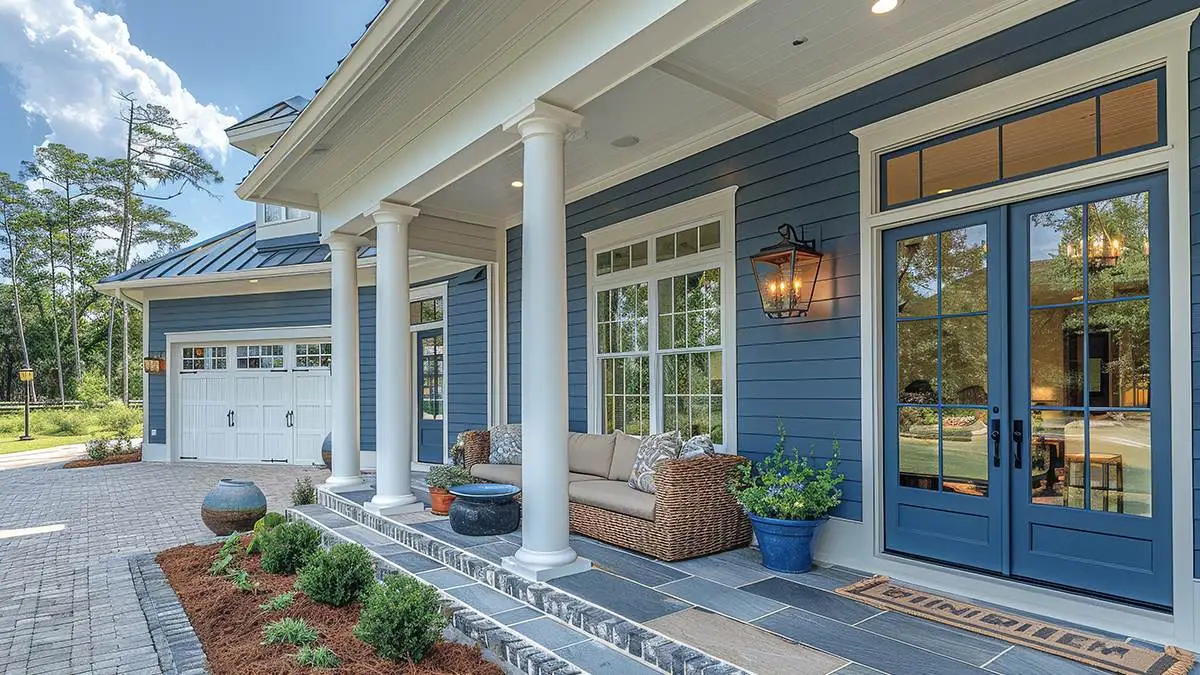
A home’s exterior creates an immediate first impression for guests, neighbors, and potential buyers. Thoughtful landscape design elevates ordinary architecture, framing the property while establishing a welcoming transition from the street to the front door. Creating exceptional curb appeal involves far more than simply planting a few colorful flowers or keeping the lawn freshly mowed. It requires a strategic approach to spatial planning, scale, color harmony, and year-round visual structure.
Whether you are designing a front yard from scratch or updating an existing landscape, applying core design principles ensures your home feels balanced, inviting, and well-maintained. By evaluating your property’s natural assets, choosing the right plant combinations, and integrating hardscape elements, you can build a front yard that significantly enhances your home’s character and overall value.
Step 1: Evaluate Your Site and Frame Your Architecture
Before purchasing plants or digging up turf, spend time studying the architectural lines of your house and the surrounding natural conditions. The goal of front yard landscape design is to complement the home, not hide it.
Analyze Architectural Style
Your landscape should feel like a seamless extension of your house. Traditional homes benefit from formal, symmetrical plantings with clean hedges, brick pathways, and structured flower beds. Modern architecture pairs exceptionally well with minimalist plant palettes, bold geometric hardscapes, and dramatic ornamental grasses. Craftsman and cottage-style homes look best surrounded by loose, organic flower beds packed with varied textures and cascading groundcovers.
Observe Sun and Soil Conditions
Document how sunlight moves across your front yard throughout the day. Full-sun plants require at least six hours of direct sunlight, while shade-tolerant varieties will scorch under intense mid-afternoon rays. Additionally, test your soil type and drainage capacity. Sandy soil drains quickly, while heavy clay retains moisture, directly influencing plant performance and long-term health.
Step 2: Establish a Clear Focal Point
Every successful front yard design guides the viewer’s eye along an intentional visual journey. The entry point of your home—typically the front door or porch—should serve as the primary focal point of the entire composition.
Strategies to direct attention toward your front door include:
-
Paints and Contrasts: Paint the front door in a bold hue that contrasts against the exterior siding, such as navy blue, forest green, or classic deep red.
-
Framing Plantings: Position taller shrubs or small ornamental trees on either side of the entryway to create a natural frame without blocking windows.
-
Tiered Pathways: Construct a wide, defined walkway that leads visitors directly from the driveway or street to the front steps.
-
Statement Containers: Place matched decorative planters on either side of the front porch to add vertical accent points and rich color at eye level.
Avoid placing large, dense trees directly in front of main windows or center entryways, as this obscures the architecture and makes the home feel dark and closed off.
Step 3: Design Dynamic Hardscape Pathways
Hardscaping provides the permanent structural backbone of your front yard. Driveways, walkways, retaining walls, and edging define spaces while providing functional, durable pathways for foot traffic.
Widen the Front Walkway
Standard builder-grade concrete walkways are often too narrow, forcing guests to walk in single file. A generous front path should measure four to five feet wide, allowing two adults to walk side by side comfortably.
Material Selection
Select paving materials that mirror or complement the texture and color of your home. Flagstone and natural fieldstone bring rustic warmth to cottage or Mediterranean layouts. Pavers, poured concrete, and slate convey crisp, modern lines. Clay brick offers timeless appeal that pairs effortlessly with historic, colonial, or traditional brick structures.
Curved Lines vs. Straight Paths
Straight walkways encourage fast movement and work exceptionally well in formal, symmetrical designs. Sweeping curved pathways slow down the journey, prompting visitors to enjoy surrounding garden beds while adding gentle visual interest to rigid rectangular lots.
Step 4: Layer Plants for Depth, Scale, and Texture
A common landscape flaw is placing plants in single, straight lines directly against the foundation. Professional designers build depth by planting in multi-tiered layers that slope downward from back to front.
Layer 1: The Backdrop (Tall Shrubs and Accent Trees)
Position taller evergreen shrubs, small flowering trees, or climbing trellises along the back of garden beds and near building corners. Taller plantings anchor the home to the landscape and soften sharp architectural corners.
Layer 2: The Midground (Medium Shrubs and Perennials)
Use medium-sized evergreen and deciduous shrubs, ornamental grasses, and perennial flowers in the center of the bed. Mix varying heights to create natural rhythm rather than a flat green hedge.
Layer 3: The Foreground (Low Borders and Groundcovers)
Border the front edge of the garden bed with low-growing perennials, dwarf shrubs, creeping groundcovers, or seasonal annuals. Keeping the lowest plants at the edge keeps the overall view open and tidy.
Grouping in Odd Numbers
Group individual plant species in clusters of three, five, or seven rather than planting single isolated specimens. Planting in odd numbers looks organic and prevents the landscape from appearing fragmented.
Step 5: Plan for Four-Season Visual Interest
A truly great front yard landscape maintains charm throughout every season, rather than fading away as soon as summer ends. Relying entirely on flowering spring perennials leaves your front yard looking bare during winter months.
Incorporate a balanced mix of plant categories to maintain structure year-round:
-
Evergreen Foundations: Allocate roughly 40 percent of your plant palette to evergreen trees and shrubs like boxwood, holly, juniper, and dwarf spruce. Evergreens provide structure and vibrant color when deciduous trees drop their leaves.
-
Seasonal Perennials: Select perennials with staggered bloom cycles so that as early spring bulbs fade, summer bloomers take over, followed by late-season autumn flowers.
-
Deciduous Bark and Berries: Choose shrubs and small trees that feature attractive winter bark, distinct branch architecture, or colorful berries, such as red twig dogwood, winterberry holly, or paperbark maple.
-
Ornamental Grasses: Leave tall ornamental grasses standing through late fall and winter to add movement, gold tones, and soft texture against winter snow.
Step 6: Integrate Architectural Landscape Lighting
Landscape lighting extends your home’s curb appeal into the evening hours while providing essential safety along pathways and steps. A well-designed outdoor lighting system relies on subtle, warm illumination rather than harsh, glaring floodlights.
Key lighting techniques for front yard appeal include:
-
Pathway Downlighting: Position low-voltage fixtures along walkways to cast soft light downward onto paving surfaces without blinding pedestrians.
-
Architectural Uplighting: Place small spotlight fixtures at the base of dramatic accent trees, stone columns, or textured exterior walls to create striking shadows and depth.
-
Porch and Entry Accent Lighting: Ensure entry lighting fixtures match the metal finishes of your door hardware, illuminating the house number and front doorway clearly.
Opt for warm LED fixtures with a color temperature around 2700K to 3000K, which yields a cozy, inviting glow across natural stone and green foliage.
Frequently Asked Questions
What is the most cost-effective way to improve front yard curb appeal quickly?
The fastest, most budget-friendly way to boost curb appeal is refreshing garden bed edging and applying a fresh three-inch layer of dark organic mulch. Clean, defined edges create instant contrast against lawn grass, while dark mulch covers bare soil, retains moisture, and makes plant foliage stand out vibrant and clean.
How do I choose the right scale of plants for my front yard?
Measure the full mature height and spread of plants before purchasing them, rather than judging them by their small size in nursery pots. Place mature heights next to windows and eaves on your sketch paper to ensure plants will not block natural light, cover architectural details, or overcrowd your front walkway over time.
How far away from the home foundation should I plant shrubs?
Plant shrubs far enough from the foundation so that their mature canopy leaves at least one to two feet of open space between the leaves and the siding. This open gap allows for adequate airflow, prevents moisture damage to building materials, and gives you space to access the side of the house for maintenance.
What are the best low-maintenance plants for high-impact curb appeal?
Durable, low-maintenance options include dwarf boxwoods, hydrangeas, cone flowers, daylilies, ornamental grasses, and spreading juniper groundcovers. These varieties require minimal pruning, offer high visual impact, and adapt well to diverse weather conditions without needing constant replacement.
How can I make a small front yard look bigger with landscape design?
To maximize small front yards, use clear geometric lines, low-profile plant borders, and lighter-colored paving materials. Avoid planting large shade trees that overwhelm small lots, and instead install multi-tiered garden beds along outer boundaries to draw eyes outward, creating an impression of greater depth.
Should my front yard landscape be completely symmetrical?
Symmetry works wonderfully for formal homes, such as Georgian, Colonial, or Federal architectural styles, where the front door sits directly in the middle of balanced windows. However, for asymmetrical ranch, modern, or bungalow structures, asymmetrical landscaping that balances visual weight rather than copying exact plant positions creates a far more harmonious layout.
How do I integrate house numbers and mailbox features into my landscape design?
Treat your mailbox and house numbers as key design accents. Surround a post-mounted mailbox with low perennials, evergreen groundcover, and gravel to blend it into garden beds. Mount crisp, easy-to-read house numbers near front porch lighting using metallic finishes that complement exterior door hardware.
