

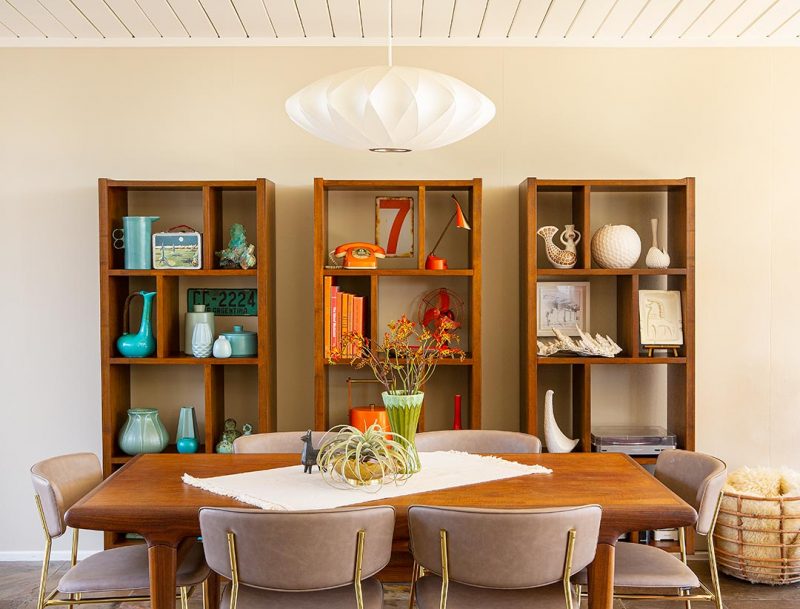
Bookshelves often turn into cluttered catch-all spaces for stray paperwork, old textbooks, and random knickknacks. However, when approached with intentionality, built-in shelves and freestanding bookcases become dramatic focal points that anchor a living space, home office, or reading nook. Professional interior designers treat shelf styling as an art form that balances visual weight, texture, scale, and functional storage.
Styling your shelves like a pro does not require buying an entirely new collection of decor. Instead, it relies on a strategic process of editing, grouping, and layering items you already own alongside curated accents. By following a clear, step-by-step approach, you can transform flat, overcrowded shelves into a dynamic display that reflects your personal taste and elevated design standards.
Step 1: Start with a Completely Blank Canvas
Before placing a single item back onto your bookcase, you must clear every shelf entirely. Wipe down the surfaces, adjust shelf heights if your unit allows, and evaluate the underlying architecture of the piece. Starting with empty shelves resets your mental perspective, allowing you to view the space as a single structural composition rather than a series of individual cubbies.
Once everything is removed, sort your collection into distinct categories on the floor or a large table. Group items by function and visual appearance:
-
Hardcover and paperback books sorted by size, subject, or spine color
-
Decorative objects such as ceramic vases, bowls, sculptures, and brass accents
-
Framed art and family photographs in varying sizes and frame finishes
-
Natural elements including indoor plants, woven baskets, dried botanicals, and wood pieces
-
Utility items like storage boxes, magazine holders, and document trays
This sorting phase makes it easy to see what materials you have in abundance and what elements might be missing to achieve a balanced look.
Step 2: Establish a Unified Color Palette
A primary reason non-professional displays look messy is a lack of cohesive color strategy. Designers limit the visual noise by selecting a dominant palette of two to three main colors, along with one metallic or natural wood accent.
When choosing your color story, consider the surrounding furniture, wall paint, and rug tones in your room. If your living room features cool slate blues, creamy whites, and warm oak, carry those exact tones into your shelf display.
For books, remove colorful paper dust jackets if the bare hardcovers underneath offer a cleaner, more sophisticated palette. Neutral canvas tones, deep blacks, muted greys, and classic navy cloth spines instantly create an elevated atmosphere. If you love bright colors, group similar shades together to form intentional blocks of color rather than scattering disparate hues randomly across the shelves.
Step 3: Anchor the Display with Large Items
Always begin placement with your largest and heaviest pieces. If you place small trinkets on empty shelves first, the arrangement quickly becomes disjointed, and larger items will feel squeezed in later.
Position substantial objects strategically across the entire unit:
-
Woven baskets and storage bins belong on the bottom shelves. They ground the structure visually while hiding practical clutter like extra cables, board games, or throw blankets.
-
Large framed art pieces can sit at the back of eye-level shelves, leaning directly against the wall to form a backdrop for smaller items in front.
-
Heavier art books or thick encyclopedias should be placed near the base or stacked centrally to create stable foundation blocks.
Distribute these heavy anchors across the left, middle, and right sections of your shelves in a zigzag or triangular pattern. This technique prevents one side of the bookcase from looking visually heavier than the other.
Step 4: Mix Book Orientations for Movement
Filling shelf after shelf with tight rows of vertical books resembles a commercial library rather than a designed home space. To create visual rhythm and structural diversity, alternate between vertical rows and horizontal stacks.
Vertical Placements
Stand four to seven books vertically, securing them with a heavy, textured bookend. Leave breathing room next to the stack rather than pushing books wall-to-wall. This open space allows room for decorative accents and breaks up monotonous lines.
Horizontal Stacks
Lay three to five hardcover books flat on top of one another, ordering them from largest on the bottom to smallest on top. Horizontal stacks act as organic pedestals. Place a small decorative object, like a marble sphere, a small brass bowl, or a small potted succulent, directly on top of the stack to elevate the object closer to eye level.
Step 5: Add Depth Through Layering and Overlapping
Two-dimensional displays look flat and uninteresting. Interior designers create three-dimensional depth by arranging objects in foreground, midground, and background layers within the shelf space.
To implement effective layering:
-
Background: Lean a framed print, decorative tray, or architectural plate flat against the back wall of the shelf.
-
Midground: Place a stack of horizontal books or a tall vase slightly off-center in front of the background item.
-
Foreground: Position a small object, such as a sculpted rock, a candle, or a small brass figurine, in front of the midground element, slightly overlapping its edge.
Overlapping items creates a sense of casual curation, making the display feel lived-in and thoughtful rather than stiff or rigid.
Step 6: Incorporate Organic Textures and Natural Shapes
Books and shelf frames are built from straight lines, hard angles, and flat surfaces. To soften these rigid structures, every well-styled bookcase requires organic shapes and natural textures.
Introduce sculptural elements that break away from right angles:
-
Trailing plants like pothos or ivy placed on upper shelves allow vines to cascade downward, introducing organic movement and natural green tones.
-
Earthy ceramics with matte finishes, hand-molded pottery, or terracotta vases add tactile interest against smooth painted shelves.
-
Natural wood nodes, driftwood branches, or petrified wood bookends introduce raw pattern variations.
-
Woven seagrass baskets offer warmth and contrast against cool wall paint.
-
Metallic accents in brushed brass, antique bronze, or matte black reflect light and give the display an elevated, high-end shine.
Step 7: Edit, Step Back, and Balance Negative Space
The final phase of bookshelf styling is editing. What you leave off the shelf is just as important as what you put on it. Negative space, or the empty area surrounding your objects, gives the eyes a place to rest and emphasizes the beauty of the curated items.
Stand back at least six to eight feet from the bookcase to evaluate the overall composition:
-
Check the diagonal balance: Ensure materials, colors, and visual weights are evenly distributed across the entire structure in a subtle diagonal pattern.
-
Remove excess items: If a shelf feels crowded or chaotic, remove one or two small objects. Groupings of odd numbers, such as three or five items per shelf, usually look more natural than even pairs.
-
Adjust height variations: Avoid having all objects on a single shelf sit at the exact same height. Mix tall vases with low bowls and medium-sized frames to draw the viewer’s eye up and down fluidly.
Frequently Asked Questions
Should books be organized by color on a styled bookshelf?
Color-coding books can create a striking visual impact, but it depends on your overall decor style. Color-blocked books work exceptionally well in modern, minimalist, or contemporary spaces where clean lines are preferred. However, for traditional, rustic, or eclectic interiors, mixing book colors naturally or grouping them by topic creates a warmer, more authentic atmosphere.
How do I style a bookshelf if I have a massive book collection?
If you need maximum functional storage for a large book library, dedicate sixty to seventy percent of the shelf space to vertical book rows. You can still maintain a designed appearance by breaking up long stretches of spines with occasional horizontal book stacks, using decorative bookends, and reserving one or two central shelf spaces for framed art or sculptural accents.
What are the best objects to use as bookends?
Effective bookends must have sufficient weight to support books while adding visual charm. Great designer-approved choices include heavy marble blocks, brass geometric sculptures, geode rocks, ceramic jars filled with sand, heavy antique bookends, or sturdy wooden carvings.
How can I make cheap or plain bookcases look more expensive?
You can elevate a basic or inexpensive bookcase by painting the back wall of the unit a contrasting dark color, applying textured peel-and-stick wallpaper behind the shelves, or replacing standard hardware on lower cabinet doors with high-end brass or matte black pulls. Adding wireless, battery-operated puck lights or picture lights above the top shelf also creates a luxurious ambiance.
How many decorative items should I place on each shelf?
There is no fixed rule, but a reliable guideline is the rule of threes. Grouping objects in clusters of three creates natural balance. For a standard shelf width, combining one book group, one sculptural item, and one textured object usually provides plenty of interest without causing visual clutter.
How do I prevent styled bookshelves from looking cluttered over time?
To maintain a styled look, practice a strict one-in, one-out policy. When you buy new books or decorative items, evaluate if an older item should be donated or stored elsewhere. Periodically dusting and resetting items to their designated background and foreground layers will keep the display crisp and intentional.
What is the best way to light a bookcase display?
Lighting dramatically improves the depth of your shelf design. Install warm LED strip lighting under individual shelf lips, mount battery-operated picture lights on the upper frame of the bookcase, or place a small accent lamp with a warm bulb on a wide lower shelf to cast a soft glow across your decorative objects.
