

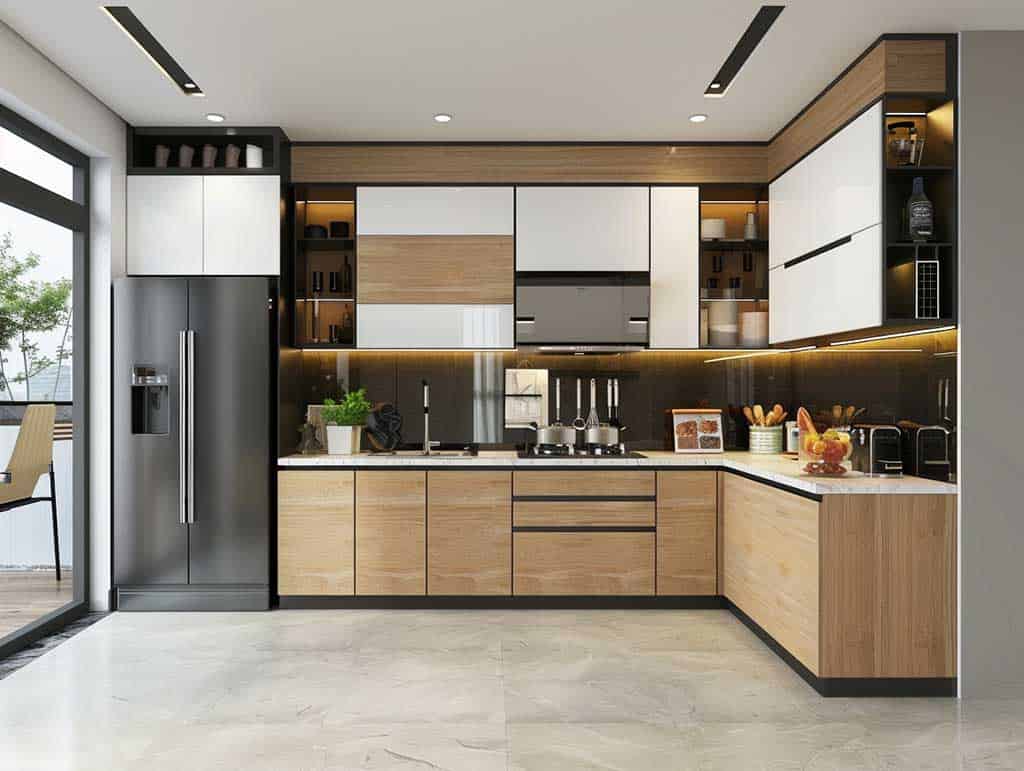
A well-designed kitchen is the heart of any home. It’s where meals are prepared, gatherings take place, and everyday memories are made. Whether you’re planning a full kitchen remodel or refreshing specific elements, understanding layout, materials, and functionality helps you create a space that’s both beautiful and practical.
Why the Kitchen Matters
A kitchen’s design impacts your lifestyle more than most rooms in the home. A thoughtful layout makes cooking easier, reduces clutter, and enhances overall comfort.
A great kitchen should offer:
- Efficient workflow
- Durable surfaces
- Smart storage
- Quality appliances
- A blend of beauty and practicality
Key Components of a Modern Kitchen
1. Kitchen Layout
Your layout determines how efficiently you can move between cooking, cleaning, and storage areas. The “work triangle”—connecting the stove, sink, and refrigerator—remains a foundational principle.
Popular layouts include:
- L-Shaped: Ideal for open spaces
- U-Shaped: Provides maximum counter area
- Galley: Efficient for small homes
- Island Setup: Perfect for social cooking and additional storage
2. Cabinets and Storage
Cabinetry plays a major role in both appearance and functionality. From shaker-style doors to sleek modern finishes, the options are endless.
Smart storage upgrades:
- Pull-out drawers
- Corner carousels
- Vertical pantry systems
- Soft-close hinges
- Overhead cabinets for increased capacity
3. Countertops
Countertops influence both durability and design. Choose materials that fit your lifestyle and cooking habits.
Popular countertop materials:
- Quartz: Low maintenance and stylish
- Granite: Natural and durable
- Marble: Elegant but requires care
- Butcher Block: Warm and great for prep work
4. Appliances
Modern appliances improve efficiency and save energy. Stainless steel remains a popular choice, though matte and black finishes are trending.
Essential appliances include:
- Refrigerator
- Range or cooktop
- Oven
- Dishwasher
- Microwave
- Ventilation hood
5. Lighting
Lighting sets the mood and supports everyday tasks. A layered lighting plan improves both ambiance and visibility.
Types of kitchen lighting:
- Ambient lighting: General illumination
- Task lighting: Under-cabinet or island fixtures
- Accent lighting: Highlights architectural features
6. Flooring
Durable flooring is crucial for a high-traffic space like the kitchen.
Top choices:
- Tile
- Hardwood
- Luxury vinyl plank
- Laminate
Each offers a unique mix of durability, maintenance needs, and aesthetic appeal.
Design Trends for Today’s Kitchens
Open-Concept Kitchens
More homeowners are choosing open layouts that connect cooking areas with living or dining spaces, ideal for entertaining.
Minimalist Styling
Clean lines, hidden appliances, and clutter-free countertops create a modern, polished look.
Sustainable Materials
Eco-friendly cabinetry, LED lighting, and energy-efficient appliances contribute to greener homes.
Bold Colors and Textures
Two-tone cabinets, textured backsplashes, and statement islands are growing in popularity.
Tips for Creating the Perfect Kitchen
- Plan for workflow to ensure smooth movement between zones.
- Invest in quality materials for long-lasting performance.
- Maximize storage with smart organization solutions.
- Choose neutral bases and add personality through accents.
- Consider future needs such as aging-in-place or growing families.
FAQs
1. How long does a typical kitchen remodel take?
Depending on scope, most remodels range from 4 to 12 weeks, with custom features extending the timeline.
2. What is the most durable countertop material?
Quartz is widely considered the most durable and low-maintenance option for everyday kitchen use.
3. How can I increase storage in a small kitchen?
Use vertical cabinets, floating shelves, pull-out drawers, and compact organizers to maximize every inch.
4. What’s the best flooring for kitchens with heavy use?
Porcelain tile and luxury vinyl plank offer excellent durability and are easy to clean.
5. Do I need a kitchen island?
Not all spaces require one, but an island provides added prep space, seating, and storage if the layout allows.
6. Are open shelves practical in a kitchen?
They are stylish and useful for frequently used items but require regular cleaning to prevent dust buildup.
7. How often should kitchen appliances be replaced?
Most appliances last 8–15 years, depending on brand, usage, and maintenance.
