

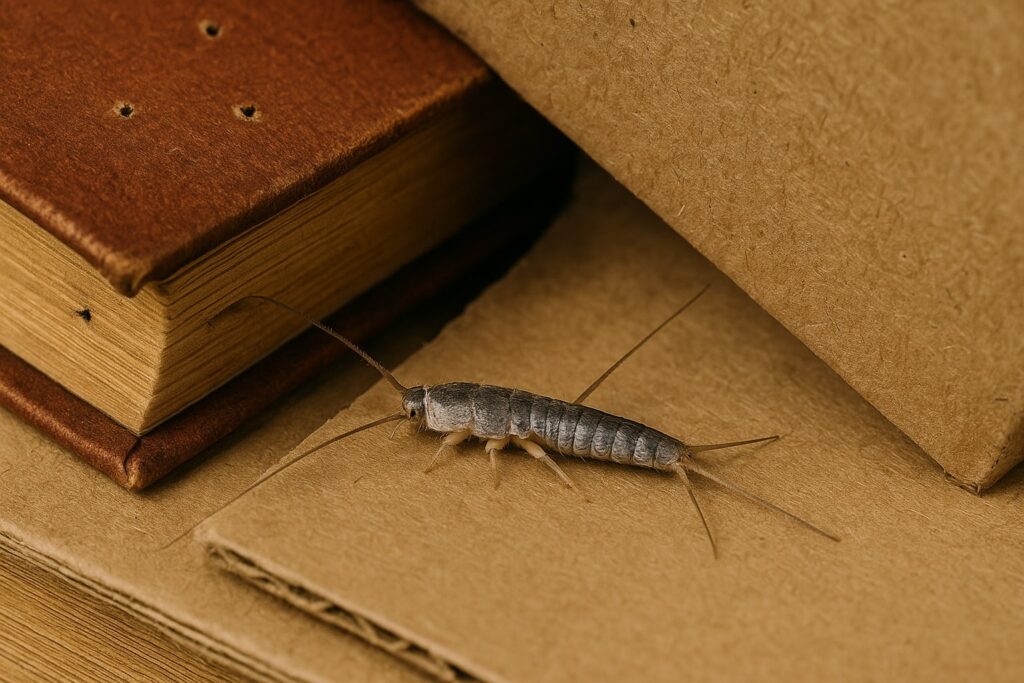
Silverfish are among the oldest and most persistent indoor pests in North America. These wingless, teardrop-shaped insects thrive in dark, humid environments and can silently cause significant damage to books, wallpaper, stored clothing, and dry pantry goods. Recognizing the signs of a silverfish infestation and taking proactive eradication steps is essential for protecting your property and maintaining a clean living space.
This comprehensive guide covers silverfish biology, the warning signs of an infestation, natural and chemical removal methods, and actionable preventive measures to keep these pests out of your home permanently.
Understanding Silverfish: Characteristics and Behavior
Silverfish get their common name from their metallic silvery-grey color and fish-like, wriggling swimming motion when moving across surfaces. Adult silverfish typically grow between one-half to three-quarters of an inch in length and feature long, thread-like antennae alongside three tail-like appendages at the end of their abdomen.
Habitat and Environment
Silverfish require high humidity levels, generally between 75 and 90 percent, and thrive in warm temperatures ranging from 70 to 85 degrees Fahrenheit. Because they are nocturnal and avoid direct light, they are frequently discovered in damp, undisturbed areas including:
-
Bathrooms: Near leaky pipes, beneath sinks, around drains, and inside vanity cabinets
-
Basements and Crawl Spaces: In damp corners, stacked cardboard boxes, and near foundation walls
-
Kitchens: Under sinks, behind refrigerators, and inside food storage pantries
-
Attics: Near roof leaks, insulation, and cardboard storage totes
Dietary Habits and Potential Damage
Silverfish do not bite humans or pets, nor do they transmit infectious diseases. However, their dietary habits make them destructive household pests. Silverfish feed on carbohydrates, specifically starches and carbohydrates known as polysaccharides.
Common household items at risk of silverfish feeding damage include:
-
Paper Products: Books, photo albums, newspapers, cardboard boxes, and wallpaper paste
-
Fabrics: Cotton, linen, silk, rayon, and starched clothing items stored in dark closets
-
Pantry Items: Unsealed boxes of flour, cereal, oats, sugar, and pet food
-
Adhesives: Bookbinding glue, carpet backing, and drywall joint compound
Identifying Signs of a Silverfish Infestation
Because silverfish move quickly and come out primarily at night, homeowners rarely spot large numbers of live insects until an infestation is well established. Identifying subtle secondary signs helps catch infestations early.
Look for these key indicators during routine home inspections:
-
Irregular Feeding Holes: Look for small, irregular holes or scraped surface etching on paper goods, book bindings, wallpaper, or cotton garments.
-
Yellow Stains: Silverfish leave faint yellow residues and scale dust behind on fabric or paper surfaces as they feed and shed.
-
Fecal Droppings: Silverfish droppings resemble tiny, black peppercorn-like specks often found inside stored boxes, along baseboards, or under cabinets.
-
Shed Skins: As silverfish mature, they molt their exoskeletons repeatedly. Finding small, translucent metallic skins inside drawers or boxes confirms active breeding.
Step-by-Step Methods to Remove Silverfish
Eliminating a silverfish infestation requires a combination of immediate pest control treatments and structural modifications.
Method 1: Natural and Non-Toxic Treatments
For homeowners seeking eco-friendly or pet-safe solutions, several natural remedies effectively reduce silverfish populations.
-
Diatomaceous Earth: Food-grade diatomaceous earth is a natural powder made from fossilized algae. Sprinkle a thin layer along baseboards, behind appliances, inside wall voids, and under sinks. The abrasive powder absorbs the waxy protective layer on the insect body, causing them to dehydrate and die within days.
-
Glass Jar Traps: Wrap the exterior of a clean glass jar with textured masking tape, which provides traction for silverfish to climb up. Place a piece of bread or starchy food at the bottom of the jar. Silverfish will climb in to feed but cannot scale the smooth glass interior to escape.
-
Sticky Traps: Place commercial sticky insect monitors along walls, under vanity units, and inside closets to capture roaming adults and gauge the severity of the infestation.
-
Essential Oils: Cedarwood oil, cinnamon oil, and lavender oil act as natural repellents. Spraying diluted essential oils in dark cabinet corners discourages silverfish from nesting in those areas.
Method 2: Chemical and Targeted Treatments
When natural options fail to contain a persistent infestation, targeted pest control products deliver faster knockdown results.
-
Boric Acid Dust: Boric acid is a time-tested insect powder. Apply light dustings into tight cracks, crevices, and wall cavities using a bulb duster. Use caution around pets and small children, keeping applications confined to hidden spaces.
-
Liquid Residual Insecticides: Apply a liquid perimeter spray containing pyrethroids, such as bifenthrin, cyfluthrin, or deltamethrin, along baseboards, door frames, and foundation walls to establish a protective barrier.
-
Pest Control Baits: Specialized silverfish gel baits and bait packets combine starchy attractants with slow-acting insecticides, allowing insects to consume the bait and carry it back to hidden harborages.
Long-Term Silverfish Prevention Strategies
Removing live insects is only half the battle. Preventing future infestations depends on eliminating the moisture and food sources that attract silverfish in the first place.
1. Control Indoor Humidity Levels
Reducing relative humidity below 50 percent is the single most effective action you can take to stop silverfish breeding cycles.
-
Run heavy-duty dehumidifiers in basements, crawl spaces, and laundry areas.
-
Use exhaust fans in bathrooms during and for 20 minutes after showers.
-
Repair leaking pipes, dripping faucets, and sweating AC drain lines promptly.
-
Ensure attic space vents and foundation soffits remain clean and unobstructed.
2. Upgrade Storage Practices
Cardboard boxes provide both food and shelter for silverfish. Transition stored items away from paper-based packaging into sealed containers.
-
Replace cardboard moving boxes with airtight plastic storage totes fitted with snap-on lids.
-
Store vintage clothing, linens, and extra bedding in sealed vacuum bags or plastic containers.
-
Keep dry pantry foods like flour, rice, sugar, and cereals in airtight glass or rigid plastic containers rather than original paper bags.
3. Seal Cracks and Entry Points
Restricting silverfish movement prevents them from travelling between rooms or entering from outdoor harborages.
-
Apply silicone caulk along gaps in baseboards, pipe penetrations, window frames, and wall joints.
-
Seal cracks around electrical outlet boxes and plumbing access panels.
-
Install door sweeps along exterior doors and garage entry thresholds.
4. Practice Regular Cleaning and Decluttering
Routine house cleaning removes hidden food sources and disrupts silverfish shelter zones.
-
Vacuum carpets, rug edges, and baseboard crevices weekly using a vacuum equipped with a HEPA filter.
-
Declutter stack of old newspapers, magazines, unused books, and junk mail regularly.
-
Wipe down kitchen cabinets and pantry shelves to eliminate flour dust and food crumbs.
Frequently Asked Questions
Do silverfish bite humans or transmit diseases?
No, silverfish do not bite humans, sting, or carry pathogens that cause disease. They lack biting mouthparts capable of puncturing human skin. Their presence is primarily a nuisance that threatens paper products, clothing, and food goods.
Why am I seeing silverfish in my home during winter?
Silverfish remain active indoors year-round because heating systems keep homes warm. During winter, indoor air near leaky pipes or poorly ventilated bathrooms often retains enough humidity for silverfish to thrive while outdoor temperatures drop.
How long can a silverfish live without food?
Silverfish are extremely resilient pests. An adult silverfish can survive for up to a year or more without eating, provided they have access to a moisture source. This survival ability makes controlling indoor humidity essential for eradication.
Can silverfish crawl into beds?
While silverfish prefer ground-level dark places like baseboards and floor cracks, they can climb walls, tapestries, and bed skirts in search of starch or moisture. Keeping bed frames pulled slightly away from walls and avoiding floor-length bedding reduces the risk.
Does cinnamon or cucumber peel kill silverfish?
Cinnamon and cucumber peels act as mild natural repellents due to their scent compounds, but they do not kill silverfish or eliminate an active infestation. They can be used alongside traps and dehumidification to help deter insects from specific cabinets.
Are silverfish attracted to light or darkness?
Silverfish are photophobic, meaning they are repelled by light. When a light switch is turned on in a dark bathroom or basement, silverfish will rapidly scurry toward the nearest dark crack or object to hide.
How fast do silverfish reproduce?
A female silverfish can lay between 20 to 100 eggs during her lifetime, depositing them in small groups within hidden cracks and crevices. Depending on temperature and humidity, eggs hatch in two to eight weeks, and silverfish take several months to reach full maturity.
