

What Is Home Remodeling?
Home remodeling involves altering the structure, layout, or design of an existing home. Unlike simple renovations, which focus on repairs or cosmetics, remodeling can change how a space functions and feels.
Common types of remodeling projects include:
- Kitchen redesigns
- Bathroom upgrades
- Basement finishing
- Room additions
- Outdoor living enhancements
- Whole-home transformations
Benefits of Remodeling
Remodeling offers advantages that go beyond aesthetics.
Enhanced Functionality
A well-designed remodel can improve workflow in key areas such as the kitchen or optimize unused spaces like basements or attics.
Increased Property Value
Modern and energy-efficient updates often yield strong returns when selling a home, making remodeling a strategic investment.
Improved Comfort and Safety
Upgrades such as better insulation, modern electrical systems, and improved plumbing contribute to a safer and more comfortable environment.
Energy Savings
Switching to LED lighting, efficient appliances, and updated windows lowers utility bills and supports sustainable living.
Key Areas to Remodel in a Home
1. Kitchen Remodeling
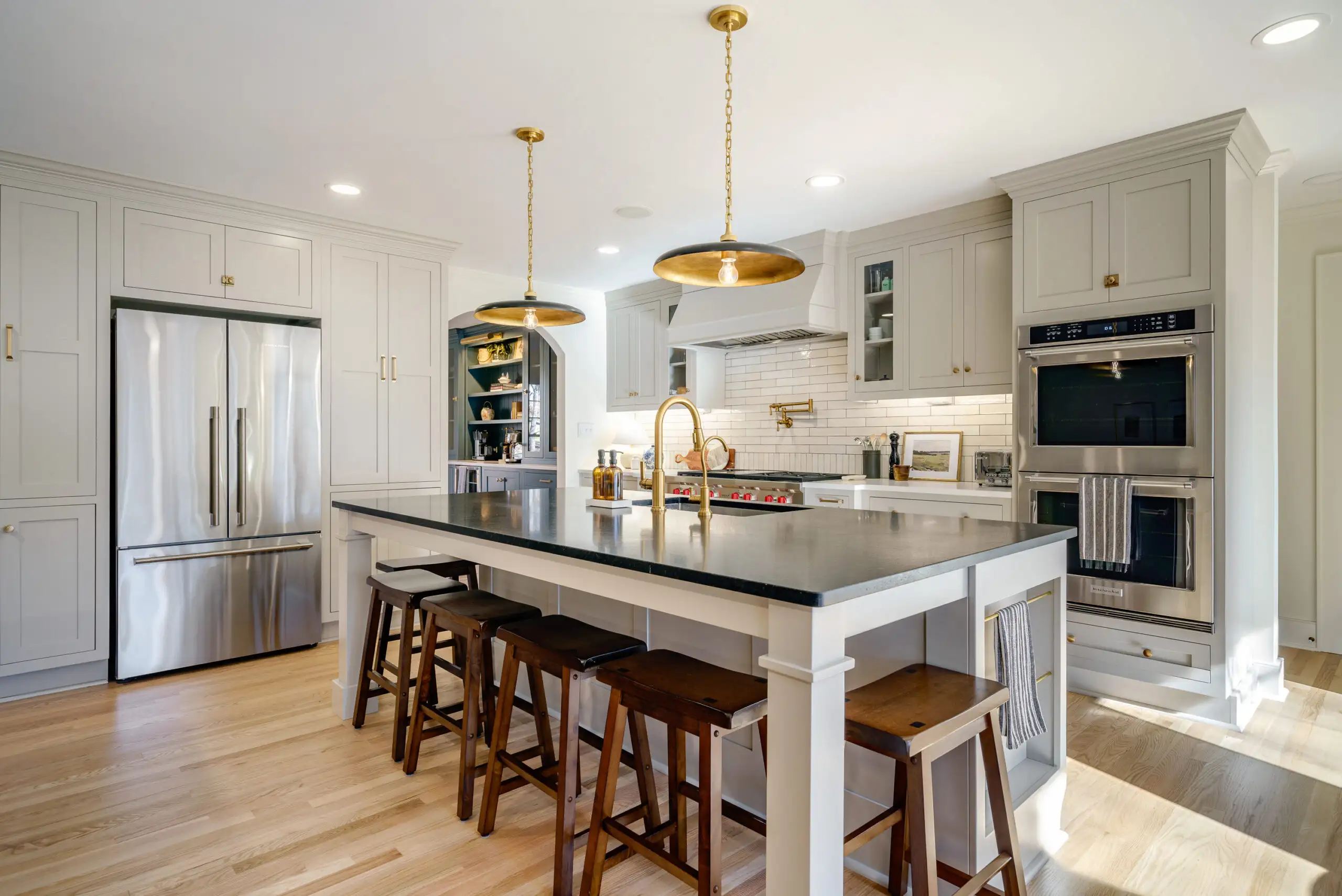
The kitchen is considered the heart of the home, and remodeling it typically offers one of the highest returns on investment.
Popular upgrades include:
- Quartz or granite countertops
- Custom cabinetry
- Updated plumbing fixtures
- High-efficiency appliances
- Improved lighting and storage solutions
2. Bathroom Remodeling
Bathroom updates enhance comfort and increase home appeal.
Common improvements:
- Walk-in showers
- Double vanities
- Heated flooring
- Water-saving fixtures
- Modern tile designs
3. Living and Common Areas
A remodel of living rooms or open-concept spaces can redefine daily living.
Potential upgrades:
- Removing walls for open layouts
- Adding natural light through larger windows
- Installing hardwood or luxury vinyl flooring
- Updating fireplaces or focal points
4. Basement Remodeling
Transform unfinished basements into usable spaces such as:
- Home offices
- Guest suites
- Entertainment rooms
- Fitness areas
5. Exterior Remodeling
Exterior improvements enhance curb appeal and protect your home from the elements.
Typical upgrades:
- New siding
- Re-roofing
- Porch additions
- Window and door replacements
Steps in the Home Remodeling Process
1. Planning and Budgeting
Define the purpose of your remodel and determine a realistic budget. Include funds for unexpected expenses.
2. Design Development
Work with a professional to create designs that match your vision, lifestyle, and structural requirements.
3. Hiring Contractors
Choose licensed and insured contractors with proven experience in the type of remodel you’re planning.
4. Obtaining Permits
Structural changes, electrical work, plumbing, and additions usually require permits to comply with local building codes.
5. Construction and Installation
This stage includes demolition, structural modifications, installations, and finishing touches.
6. Final Inspection
The completed work should meet quality standards and local regulations before the space is considered finished.
Tips for a Successful Remodeling Project
- Set clear goals and prioritize must-have features.
- Choose durable materials that suit both lifestyle and budget.
- Communicate regularly with contractors to avoid misunderstandings.
- Plan for disruptions if remodeling affects daily routines.
- Think long-term, especially if planning to sell your home later.
FAQs
1. How long does a typical home remodel take?
Project length varies based on scope, but most remodels range from a few weeks (bathrooms) to several months (whole-home renovations).
2. What is the difference between remodeling and renovating?
Renovation refreshes or repairs existing elements, while remodeling changes the structure, layout, or purpose of a space.
3. Should I move out during major remodeling work?
For large projects involving structural changes or plumbing and electrical upgrades, temporarily relocating may provide more comfort and safety.
4. Do I need permits for every remodeling project?
Minor cosmetic changes usually don’t need permits, but structural, electrical, and plumbing work generally does.
5. How can I keep my remodeling project on budget?
Set a detailed budget, track all costs, and include a contingency fund of 10–20% for unexpected expenses.
6. What adds the most value when remodeling a home?
Kitchens, bathrooms, and energy-efficient upgrades tend to offer the strongest return on investment.
7. How do I choose the right contractor?
Check credentials, review past work, read customer feedback, and request detailed written estimates before making a decision.
