

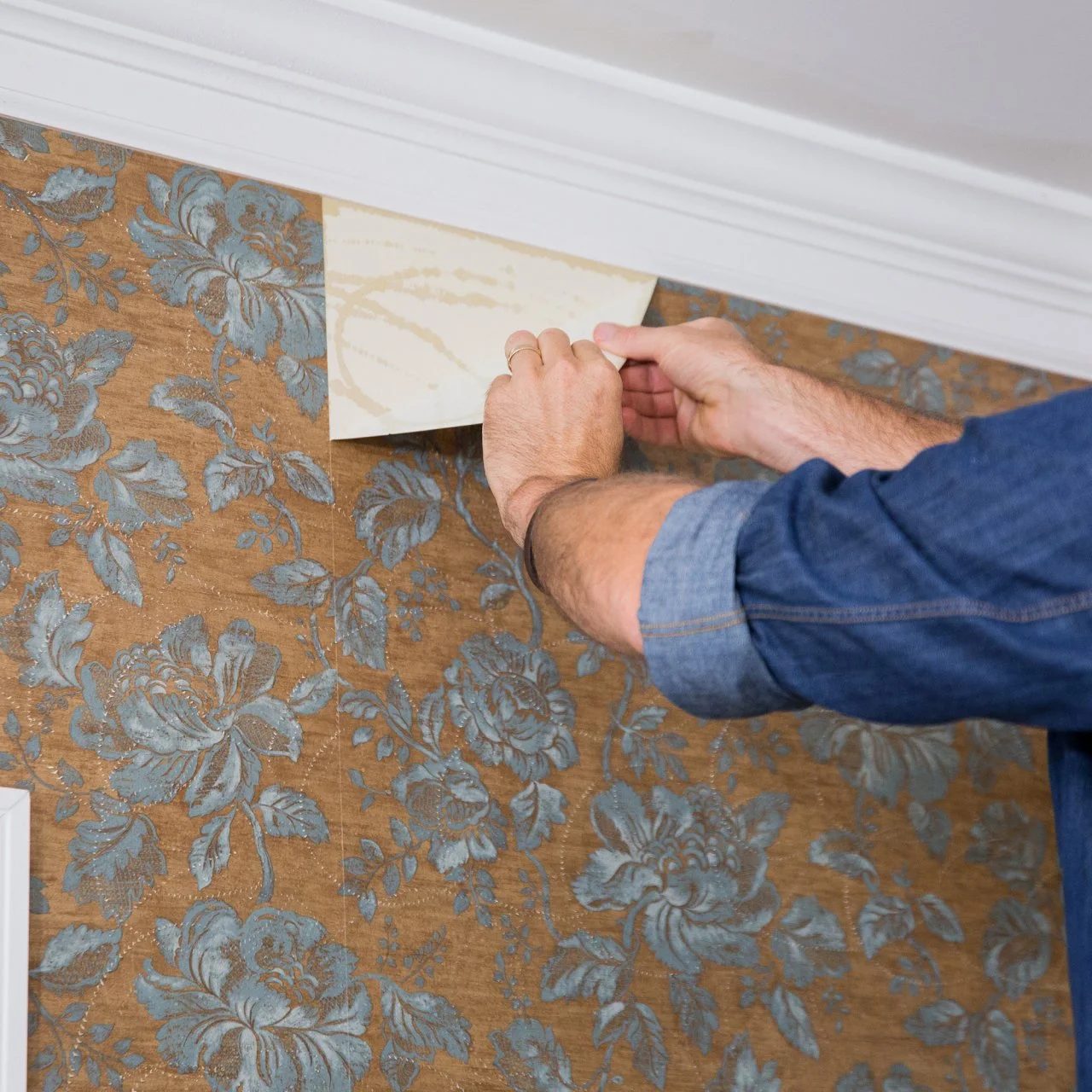
The Real Secret Behind Easy Wallpaper Removal
There’s something oddly personal about walls. They hold memories, reflect style changes, and sometimes, hide a few decorating regrets. But when that once-loved wallpaper starts to peel or fade, the idea of removing it can feel like an uphill climb. Most of us expect hours of scraping, sticky residue, and sore arms. Yet, the truth is—it doesn’t have to be that way.
With the proper prep and a reliable product like ROMAN wallpaper remover, you can turn what feels like a nightmare chore into a surprisingly simple process. No more wrestling with glue or shredding paper into tiny pieces. This isn’t about brute force—it’s about brilliant technique, patience, and using a formula made to loosen even the toughest adhesive without damaging your wall.
We’ve all seen those walls covered in decades-old prints that refuse to let go. The secret to freeing them? Knowing the correct order of steps and trusting the right tools. In the following few sections, you’ll learn exactly how to make wallpaper removal faster, cleaner, and a whole lot less stressful—so you can start fresh with smooth, ready-to-paint walls that feel brand new.
How To Set the Stage Before You Peel
Preparation sets the tone for how smooth your wallpaper removal will go. First, clear your space—move furniture, take down décor, and protect your flooring with a plastic sheet or tarp. Turn off the power to the outlets and remove the switch plates. This gives you freedom to work across the wall without obstructions.
Start by scoring the wallpaper lightly. You don’t need to tear through it, just enough to let the solution soak into the adhesive. Fill a spray bottle with warm water and test a small patch first. You’ll quickly see how your wallpaper reacts—some peel right off, others need more persuasion. Patience is your best tool here; rushing often leads to gouges or uneven patches.
- Move or cover furniture to prevent splashes.
- Score the wallpaper in small circular motions.
- Test the remover with warm water before applying it.
- Keep towels handy for quick clean-ups.
The goal isn’t just removal; it’s protecting the wall beneath.
Why Choosing the Right Tools Saves You Time
You might think any scraper or sponge will do—but tools can make or break this project. A wide scraper covers a larger surface area, while a scoring tool helps break the wallpaper’s seal. Keep a sponge, spray bottle, and bucket nearby for steady progress.
Using the correct remover can save hours of frustration. Cheap or harsh products may damage drywall or leave behind residue. A professional-grade solution softens glue, rather than just wetting the paper. That’s why using trusted products designed for wallpaper removal is essential—they work with minimal effort and create less mess.
- Scoring tool for puncturing thick layers.
- Large scraper for smooth removal.
- Soft sponge for rinsing leftover paste.
- A bucket or a spray bottle for even soaking.
Good tools mean less force and fewer mistakes—two things every DIYer loves.
What To Do When Wallpaper Won’t Budge
Even after soaking, some wallpaper appears to be permanently glued. Don’t panic. The key is to soak for a more extended period and scrape gently. Reapply your remover and wait five to ten minutes. Keep the wall damp but not dripping. Once it loosens, scrape slowly at a low angle to protect the wall.
If adhesive remains after the paper’s gone, use a damp sponge to wipe it down. Some stubborn paste may require a final sanding with fine-grit paper once dry. Never rush this step—it affects how well new paint or wallpaper sticks later.
- Let the remover sit before scraping.
- Scrape at a 30-degree angle.
- Wipe walls after each section.
- Allow walls to dry before refinishing.
The goal isn’t perfection on the first pass—it’s steady progress that leads to a smooth, clean surface.
Why Finishing Touches Make All the Difference
Once your walls are bare, the hard part’s over—but don’t skip the finishing steps. Wash the wall with warm water to remove all residue, let it dry thoroughly, and lightly sand if needed. This ensures your next coat of paint or wallpaper adheres evenly.
Finishing right isn’t about speed; it’s about setting up for success. A clean, dry surface gives you better results, fewer flaws, and a longer-lasting finish. If you’ve made it this far, you’ve already done the most challenging part. Now it’s about turning your effort into lasting beauty.
When you’re ready to start, remember—good prep, good tools, and a trusted remover make all the difference. We believe your walls deserve a fresh start, and you deserve a stress-free project.
